

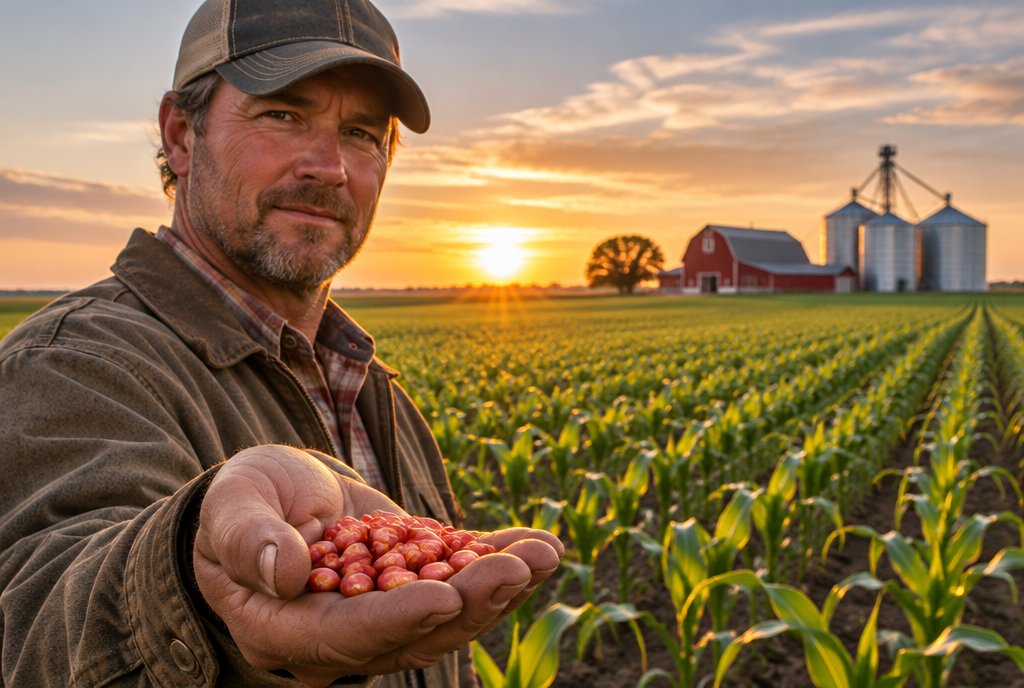
Where Every Harvest Begins: The Global Race for Better Seed
From Iowa cornfields to Brazilian soy, Kenyan maize and Chinese rice paddies, a roughly $100 billion seed industry is quietly rewriting how the world eats. Here is who sells the most seed, what is actually working on farms, and what comes next for rural America and the rest of the world.
By the Farming Today editorial team • Hero and section images are AI-generated illustrations
Rural America: where seed meets margin
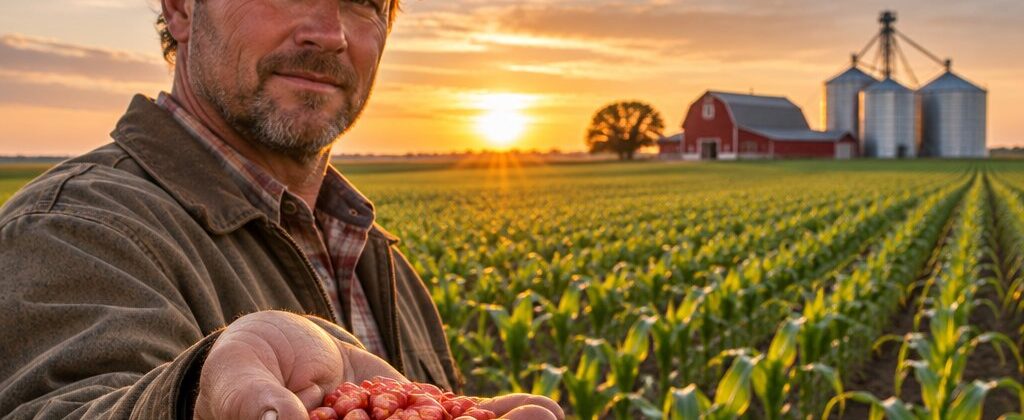
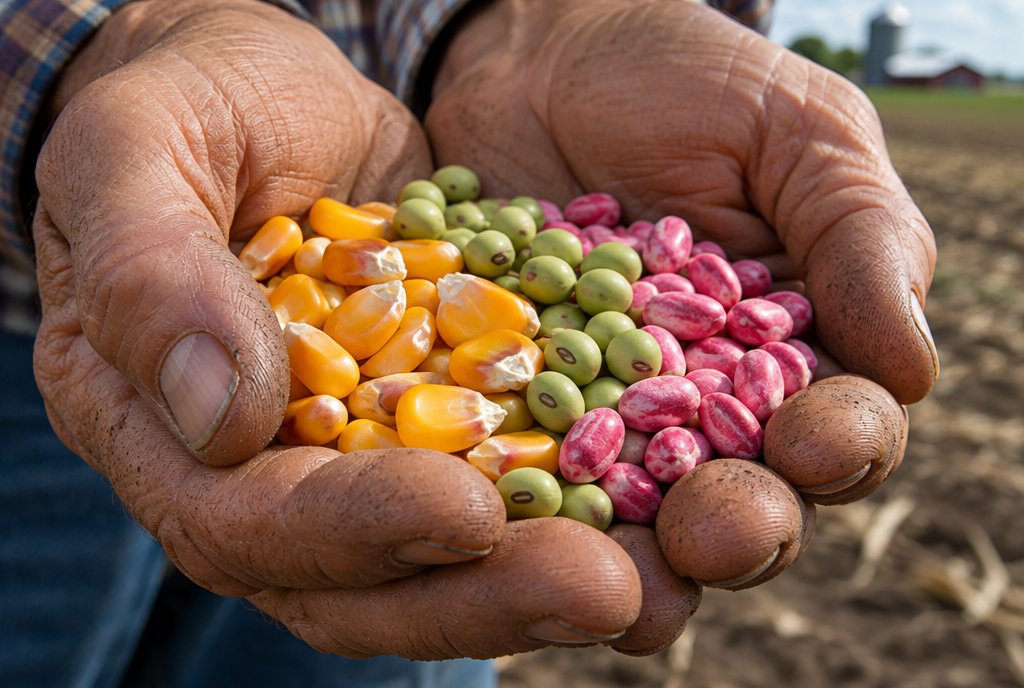
On a rural American farm, the biggest decision of the year is made months before the planter rolls. Corn and soybean seed make up roughly 85% of the U.S. seed market, and in 2026 that market is still growing, up about 2.5%, even as growers deal with thin margins, high input costs and weather that pulled national average yields lower. The growth is driven largely by seed pricing and by technology farmers say they can see in the field.
That technology starts with a century-old idea. Pioneer, Corteva’s flagship brand, marked 100 years in 2026 and credits hybrid corn with helping lift average U.S. corn yields by nearly 600%. Today, stacked traits for insect and herbicide protection, seed treatments and data-guided planting make seed far more than a bag of kernels. It is a package that has to pay for itself acre by acre.
The big shift: shorter corn
The most talked-about change on the horizon is literally lower to the ground. Short-stature corn stands about one-third shorter than traditional hybrids. In wind events, trial plots have shown roughly 5% injury where conventional corn saw up to 70% lodged or snapped. An Indiana grower pushed a short-stature hybrid to 369 bushels per acre in the 2025 National Corn Growers Association yield contest, and agronomists note optimum seeding rates can run 6,000 to 8,000 more seeds per acre than full-height hybrids (DTN/Progressive Farmer).
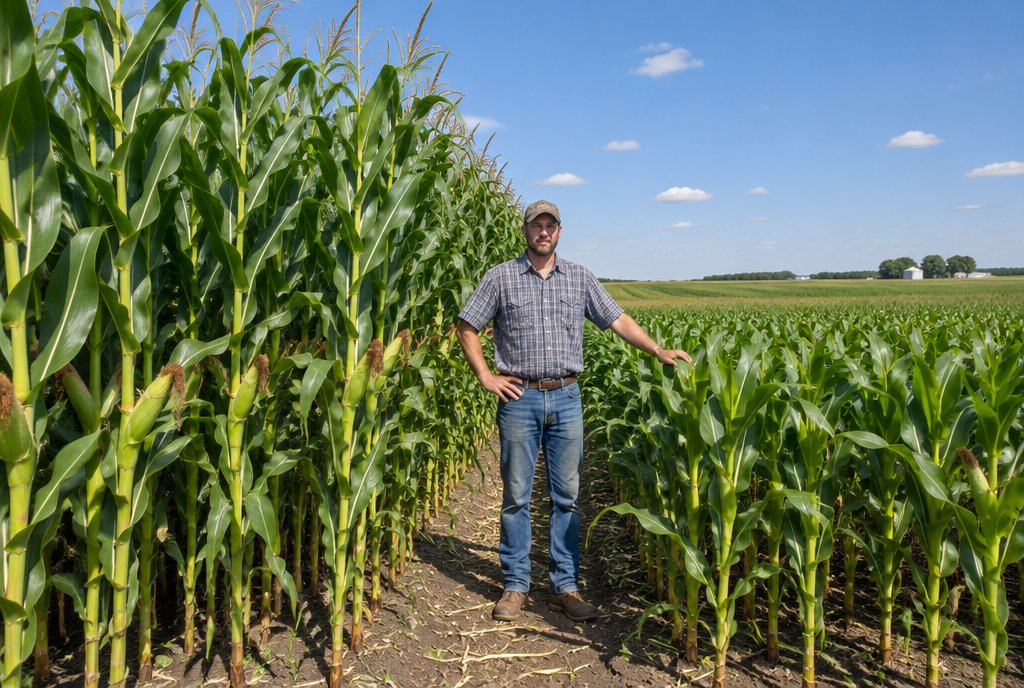
Bayer is rolling out its Preceon system after limited releases, and Corteva expects its reduced-stature corn around mid-decade, so more farms will see it in 2027 and beyond.
Who sells the most seed?
Four companies control about half of the world’s commercial seed. Bayer is the biggest overall, with brands such as DEKALB and Asgrow in the U.S. Corteva’s Pioneer calls itself the number one corn seed brand (a company claim), and Syngenta, now China-owned, is strong in vegetables and seed treatments. “Best” depends on the crop, so sales leadership is the fairest yardstick.
2023 seed sales, share of global market
Bayer $11.6B • Corteva $9.5B • Syngenta $4.8B • BASF $2.1B. Source: ETC Group. Limagrain, KWS and Sakata follow the top four.
Around the world: who is advancing fastest
BRBrazil
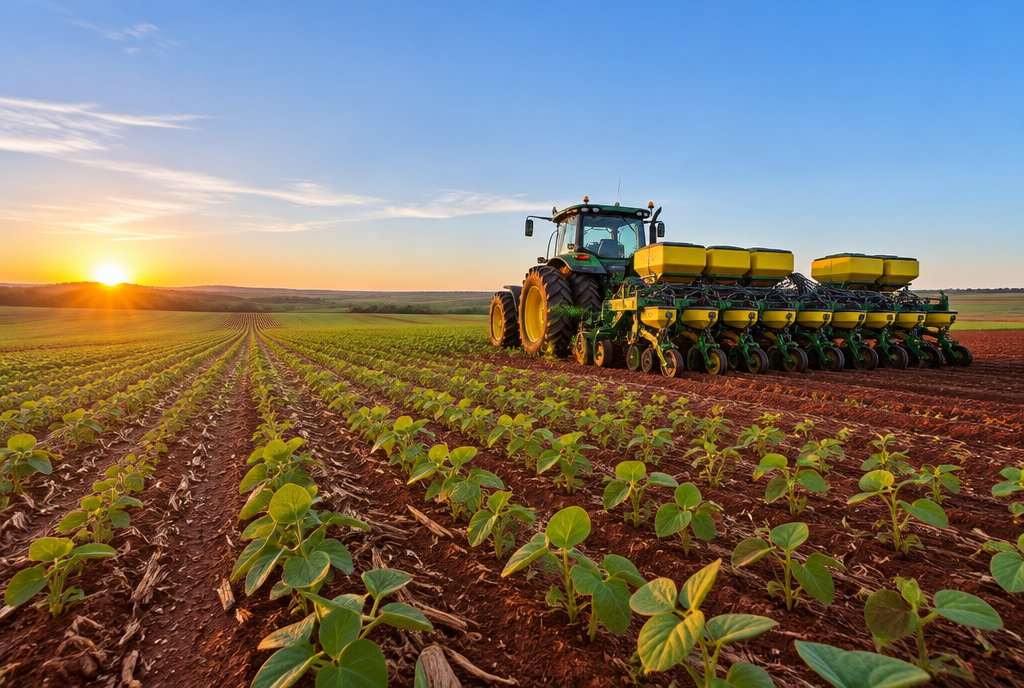
GM crop area expanded to 70 million hectares, the world’s second-largest. GM corn and soybean adoption exceeds 90% in both Brazil and the U.S. The BASF–Corteva deal for nematode-resistant soybeans shows where competition is headed.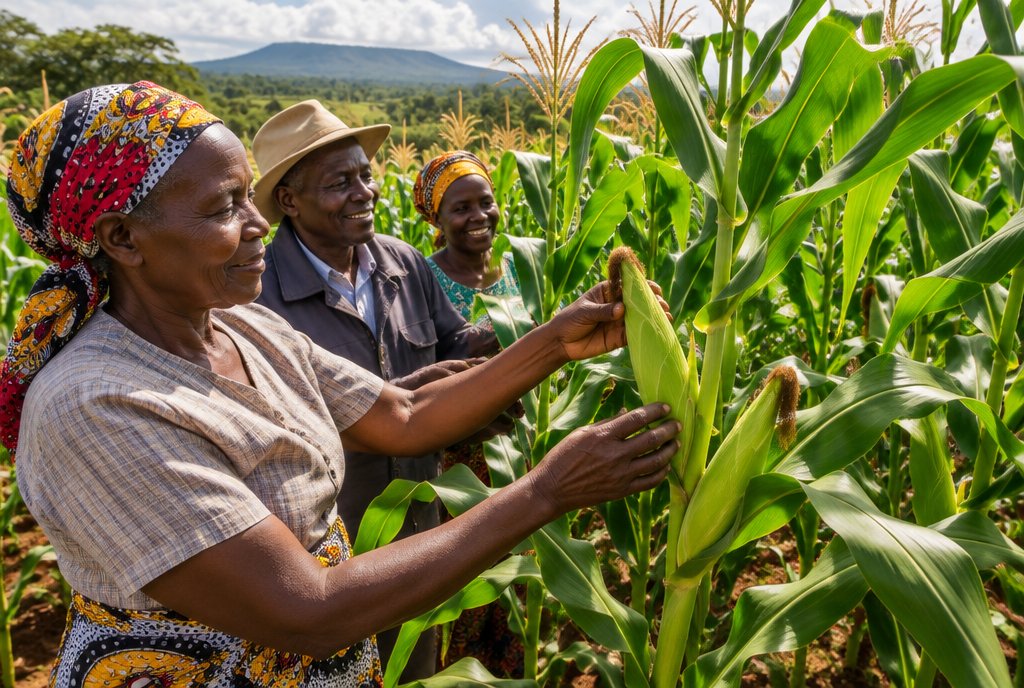
AFAfrica
Kenya, Nigeria and Malawi treat gene-edited crops without foreign DNA like conventionally bred crops. TELA drought- and pest-tolerant maize is launching in several nations, and ICRISAT and Corteva are bringing gene editing to sorghum, millets, chickpea and peanut.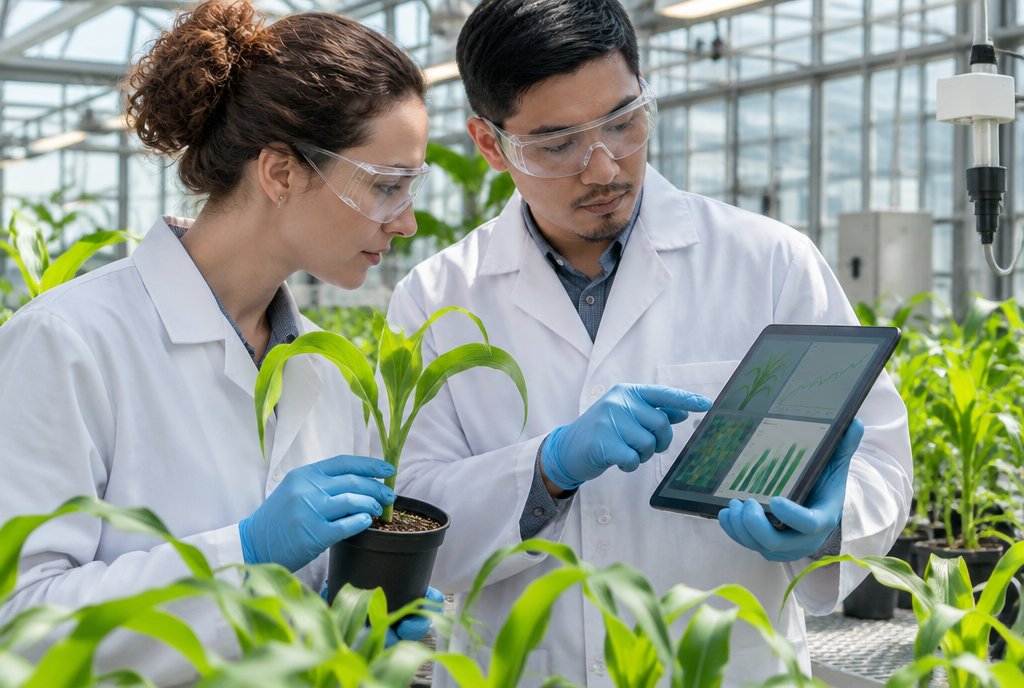
CNChina
Fastest growth of any major producer: GM crop area up 79% in 2025. According to a report citing USDA, GM corn reached 3.79M ha in 2026, with 40 GE corn and 16 soybean events approved, plus nine gene-edited corn and six gene-edited soybean events.INIndia
Released two CRISPR gene-edited rice varieties to farmers as public goods, built for tolerance to drought and salty soils. A first in global agriculture that may influence other rice-growing nations.| Europe | Where it stands |
|---|---|
| EU proposal | A proposed framework would exempt plants with 20 or fewer genetic modifications from the current GMO process, which could speed access to climate-adapted crops. |
What the future holds
Gene editing goes mainstream. The U.S., Canada, Brazil, Argentina, Japan, China, India, Kenya and Nigeria are among countries that regulate many edited crops more like conventional ones (Cornell TCI).
Climate-ready, AI-assisted breeding. Drought and heat tolerance, multi-disease resistance and nematode-resistant soybeans are in the pipeline, and breeders are adding AI to speed selection.
The practical takeaway for farmers: ask your dealer for local trial data. The best seed is the one proven on your soil, in your weather, at your margins.
Keep reading on Farming Today
Want your seed or ag brand in front of 155,000+ readers?
Today Publications / Farmers Digital Solutions reaches the agriculture market every month. We offer a free landing page with a 30-day analytics report, Ag show promotions, website design, and placement in our interactive Farming Today publication with video, direct website links and editorials. View our 2026 Media Kit, contact us to get started, see our featured partners & advertisers, or view sample landing pages.
Sources: ETC Group Top 10 2026; Global Market Insights (Aug 2026); CropLife; AgbioInvestor GM Monitor 2025; USDA FAS/MARA China biotech reports (Oct 2026); Corteva and Pioneer; DTN/Progressive Farmer; Cornell TCI; CGIAR. Market share figures use 2023 sales. Brand rankings are company claims.