

Estimated outlook: 2025–2035
The agricultural sector stands at a crossroads as it moves deeper into the next decade. Farmers and agribusinesses alike are watching global supply chains, technological innovation, and manufacturing trends with equal parts hope and hesitation. After several years of market volatility, logistical bottlenecks, and inflationary pressure, one of the key questions facing the industry is: what will happen to the availability, cost, and quality of agricultural equipment parts over the next five to ten years?
While no forecast can perfectly predict the future, several indicators suggest that the next decade could bring both challenges and opportunities for the agricultural supply network — potentially reshaping how farmers access and maintain their machinery.
Key Takeaways
- Availability: Regional manufacturing and 3D printing should shorten wait times for many parts.
- Price: Parts prices are expected to become more predictable, but not necessarily cheaper.
- Quality: The gap between genuine OEM parts and low-cost aftermarket parts may widen, making verification more important.
1. Supply Chain Evolution: From Global to Regional
The COVID-19 pandemic revealed significant vulnerabilities in the global supply chain, especially for specialized components like bearings, hydraulic fittings, and electronic control systems used in agricultural machinery. Many of these parts depend on long-distance imports, often from regions in Asia or Europe. When shipping and production stalled, farmers experienced extended delays and rising costs.
In the next 5–10 years, many manufacturers are expected to continue “regionalizing” their supply chains — moving production closer to the markets they serve. Companies in North America and Europe have already begun building new parts distribution hubs and investing in domestic manufacturing to reduce reliance on overseas suppliers.
This regional approach could lead to improved availability and faster turnaround times for critical parts. However, it may also result in temporarily higher prices as companies invest heavily in infrastructure and adapt to new production models.
2. The Digital Revolution: 3D Printing and On-Demand Manufacturing
One of the most transformative developments on the horizon is the rise of on-demand manufacturing, powered by advanced 3D printing technology. In agriculture, this could allow dealers and repair shops to produce certain parts locally instead of waiting for overseas shipments.
Major equipment brands and startups alike are experimenting with digital part libraries, where authorized dealers can download and print specific components as needed. This trend could significantly reduce downtime and transportation costs, leading to greater part availability and lower prices for standard components.
However, not every part is easily reproduced this way. High-stress components such as transmissions, engines, and safety-critical hydraulic systems still require traditional precision manufacturing. As such, while additive manufacturing will ease some pressures, it won’t replace global production entirely.
3. Price Forecast: Stabilization After a Volatile Decade
The early 2020s brought record-high input costs for farmers, from fertilizers and fuel to equipment parts. Looking ahead, most analysts predict a gradual stabilization in parts pricing rather than a sharp decline.
As shipping lanes normalize and materials such as steel and aluminum see steadier supply, production costs are expected to level off. At the same time, increased automation and data analytics in manufacturing could reduce waste and inefficiency, keeping prices relatively consistent.
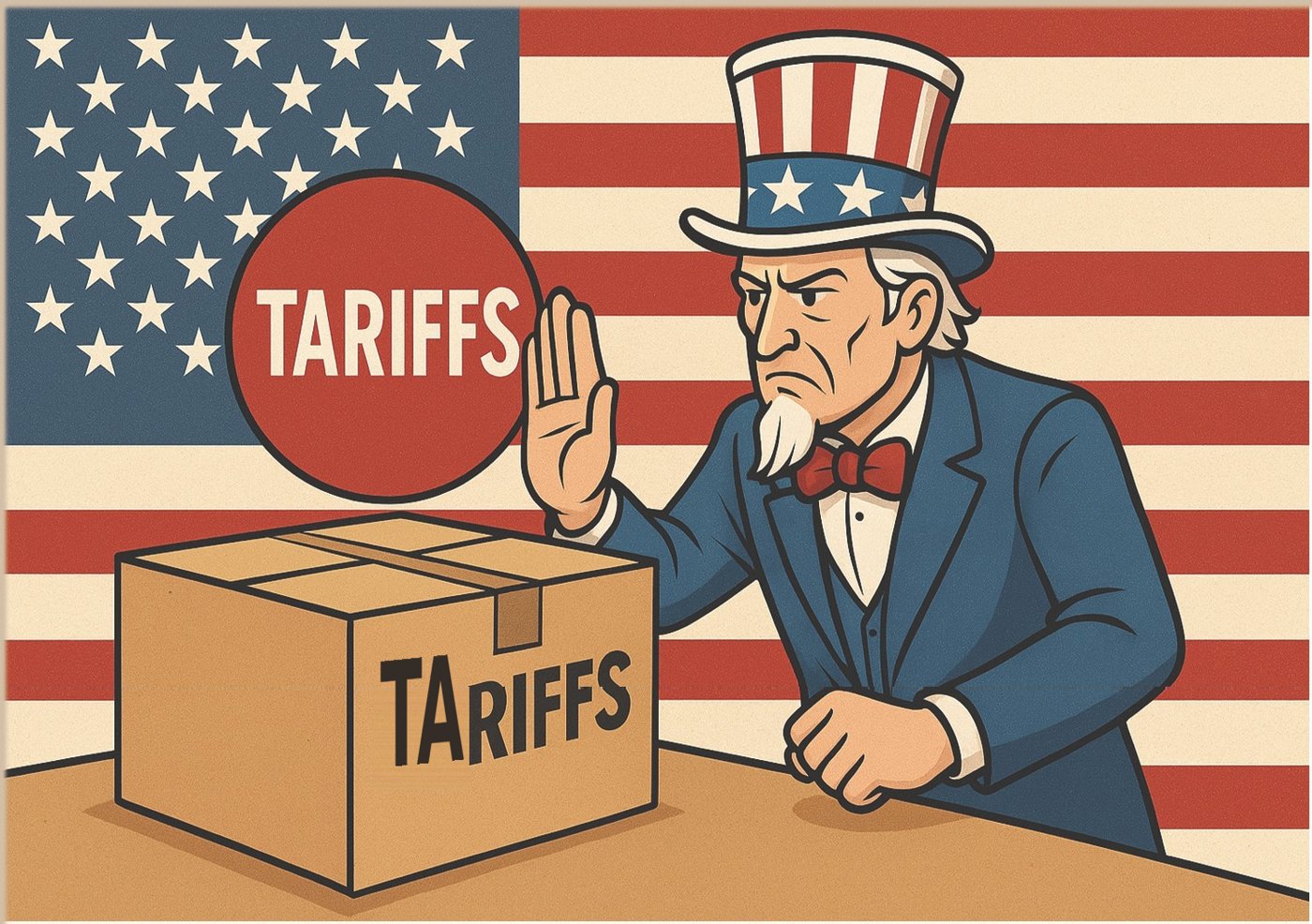
That said, inflationary forces and ongoing geopolitical tensions could still create intermittent price spikes — especially for parts that rely on rare materials or specialized electronic chips. Overall, the general consensus is that part prices will likely become more predictable, but not necessarily cheaper, in the next decade.
4. Quality Outlook: Innovation Meets Cost Efficiency
Another question farmers are asking is whether the quality of replacement parts will improve or decline as the market shifts. The answer may depend on where and how those parts are made.
As manufacturers focus on cost control, there’s potential for a wider gap between genuine OEM parts and low-cost aftermarket alternatives. Some aftermarket producers are improving in both design and material quality, leveraging better technology and international standards. Others, however, may cut corners to stay competitive, leading to inconsistency in performance and lifespan.
The next 5–10 years will likely see more digital verification systems — such as serialized tracking and blockchain-based authenticity checks — to help buyers confirm that the parts they’re purchasing meet quality standards.
Meanwhile, the integration of smart sensors into parts could become more common, allowing equipment to automatically detect wear or malfunction. This “smart parts” trend may raise upfront costs but reduce long-term maintenance expenses, representing an overall improvement in quality and efficiency.
What This Means for Farmers
- Plan ahead for critical parts. Regional production should improve turnaround times, but prices may rise temporarily while new facilities come online.
- Ask your dealer about on-demand parts. Printed components can cut downtime for standard parts, while engines, transmissions, and safety-critical hydraulics will still come from traditional manufacturing.
- Budget for stability, not savings. Expect steadier pricing, with occasional spikes for parts that rely on rare materials or electronic chips.
- Verify before you buy. Look for serialized tracking or authenticity checks, and weigh the long-term value of OEM and “smart” parts against lower-cost alternatives.